


Skin tone changes quietly. One day your complexion looks even and clear. Then subtle patches appear. Redness lingers. Darker areas don’t fade the way they used to.
Uneven skin tone is one of the most common concerns people notice as skin responds to sun exposure, inflammation, hormones, and slower renewal over time. It can affect confidence because it draws attention, even when overall skin health feels good.
Correcting uneven tone takes more than a brightening product or a quick fix. The most effective results come from understanding what’s happening beneath the surface and choosing solutions that work with the skin instead of forcing it. That’s where professional care becomes valuable.
At aspireMD, based in St. Catharines, advanced technology and personalized treatment planning are used to address tone concerns safely and progressively. If you’re looking for lasting clarity instead of temporary improvement, you can explore your options or book a consultation to receive personalized guidance.
What Is Uneven Skin Tone?
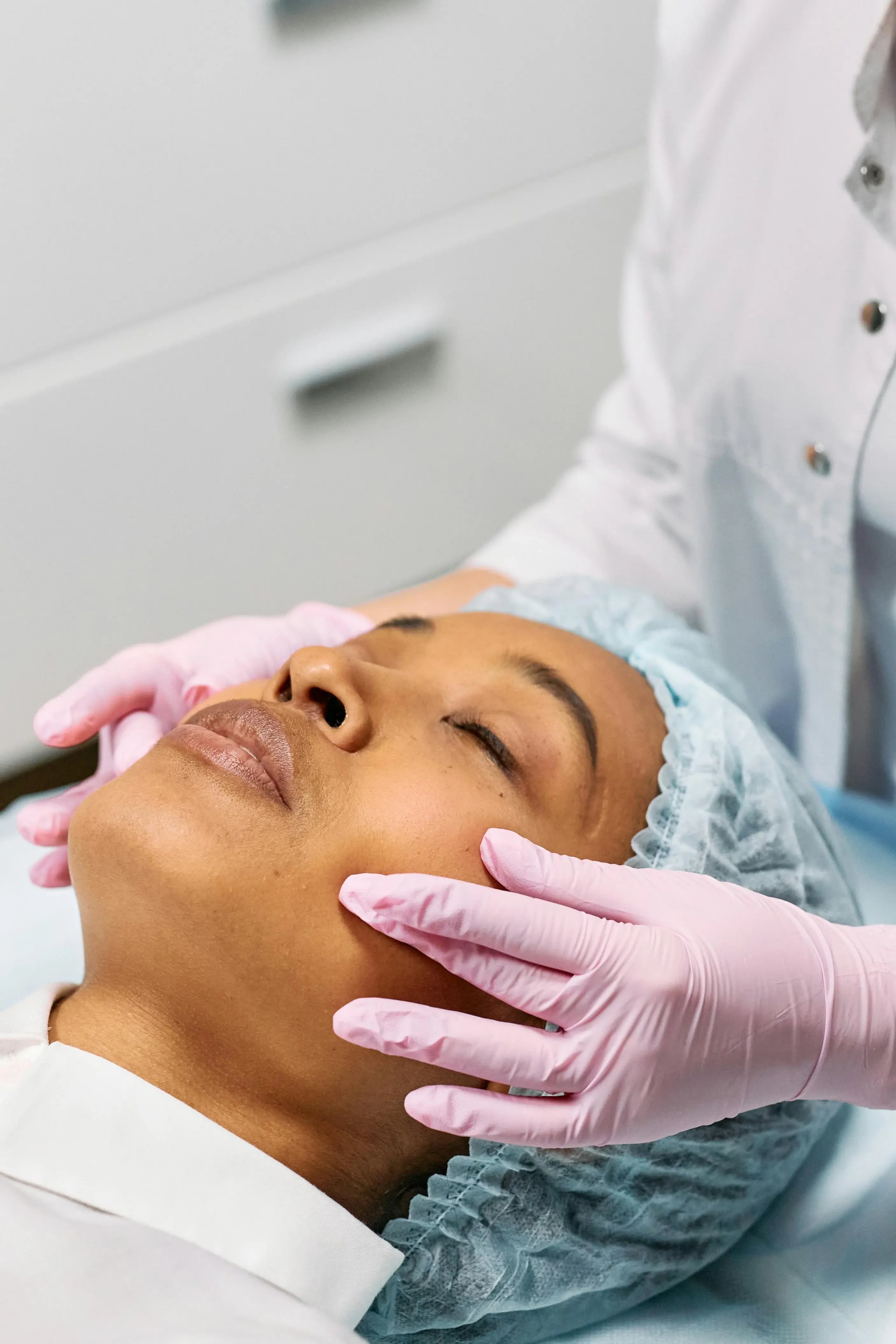
What is uneven skin tone is a question many people ask when they notice discoloration that doesn’t seem tied to breakouts or dryness alone. Clinically, uneven tone refers to visible irregularities in color and light reflection across the skin. It can appear as darker patches, redness, blotchiness, or a dull, shadowed look that makes skin appear tired.
Uneven tone isn’t a single condition. It’s a visual outcome influenced by pigment distribution, blood vessel behavior, inflammation, and how efficiently the skin renews itself. Identifying which of these factors are involved is essential before choosing any treatment.
How Uneven Skin Tone Appears on the Face and Body
On the face, uneven tone often shows up first around the cheeks, forehead, jawline, and upper lip. These areas receive the most sun exposure and experience frequent inflammation from breakouts, shaving, or environmental stress. On the body, uneven tone may appear on the chest, shoulders, arms, or hands, typically linked to sun damage or slower cell turnover.
The way discoloration looks doesn’t always reflect how deep it sits. Surface-level pigment and deeper discoloration can appear similar, which is why professional evaluation matters.
The Difference Between Pigment, Redness, and Dullness
Not all tone concerns are pigment-based. Brown or gray patches are linked to melanin, while pink or red areas are usually vascular. Dullness often results from uneven texture or sluggish cell renewal rather than color itself. Treating redness with pigment-focused products or pigment with redness-based treatments leads to disappointing results.
Understanding this distinction helps prevent overtreatment and supports more predictable improvement.
Uneven Skin Tone vs Hyperpigmentation
Hyperpigmentation is one form of uneven skin tone, but it doesn’t explain all cases. Hyperpigmentation refers specifically to excess melanin production. Uneven tone may also involve redness, blotchiness, or uneven light reflection. This distinction explains why some people see little improvement with brightening products alone.
What Causes Uneven Skin Tone?
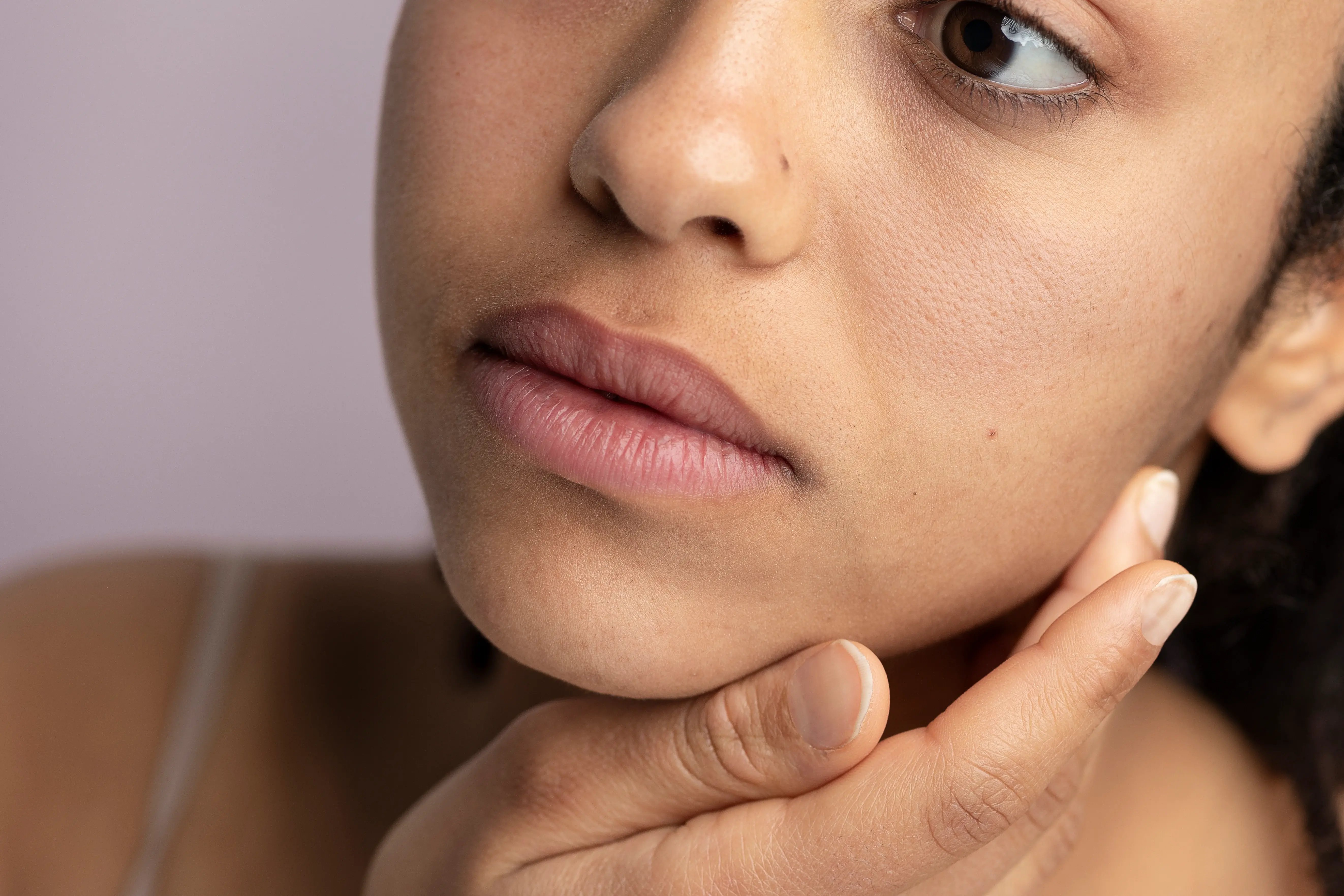
To understand what causes uneven skin tone, it helps to think in layers. Most discoloration develops gradually as multiple factors interact over time rather than from a single event.
Sun Exposure and UV-Triggered Pigment Changes
Ultraviolet exposure stimulates melanin as a protective response. Over time, this response becomes uneven, leading to dark patches and diffuse discoloration. Sun damage doesn’t always appear immediately. It can surface years later as pigment irregularities that are difficult to fade without professional care.
Hormonal Shifts and Melanin Overproduction
Hormonal changes can increase melanin activity, causing pigment to cluster rather than distribute evenly. This type of discoloration often appears symmetrically on the face and requires careful treatment planning to avoid rebound darkening.
Inflammation, Acne, and Post-Inflammatory Marks
Any form of inflammation can leave behind color changes once the skin heals. Acne, irritation, or overly aggressive treatments may resolve physically but leave lingering discoloration that alters overall tone.
Aging and Slower Cell Turnover
As skin ages, the natural renewal cycle slows. Pigment and damaged cells linger longer, contributing to uneven color and dullness. This process affects tone as much as it affects texture.
Why the Face Is More Prone to Uneven Tone
The face is constantly exposed to environmental stress, sun, and temperature changes. Facial skin is also thinner and more reactive, making it more vulnerable to discoloration and redness.
Uneven Skin Tone Products vs Professional Care
Many people start with uneven skin tone products, and in the right context, skincare plays an important role. The limitation lies in how deeply topical products can work.
What Topical Products Can Improve
Medical-grade skincare can support healthy cell turnover, reduce inflammation, and help prevent new discoloration from forming. Products are most effective for maintaining results and supporting the skin barrier.
Limitations of Over-the-Counter Solutions
Most products work at the surface. Deeper pigment, vascular redness, and long-standing discoloration typically sit beyond the reach of topical solutions. This explains why progress often stalls after initial improvement.
When Clinical Treatments Are Needed
Professional treatments are designed to reach specific layers of the skin safely. At aspireMD, treatment recommendations are based on skin behavior, tone pattern, and healing response rather than trends or one-size-fits-all solutions. You can learn more about available options through our solutions.
Uneven Skin Tone Treatment Options at a Medical Aesthetic Clinic
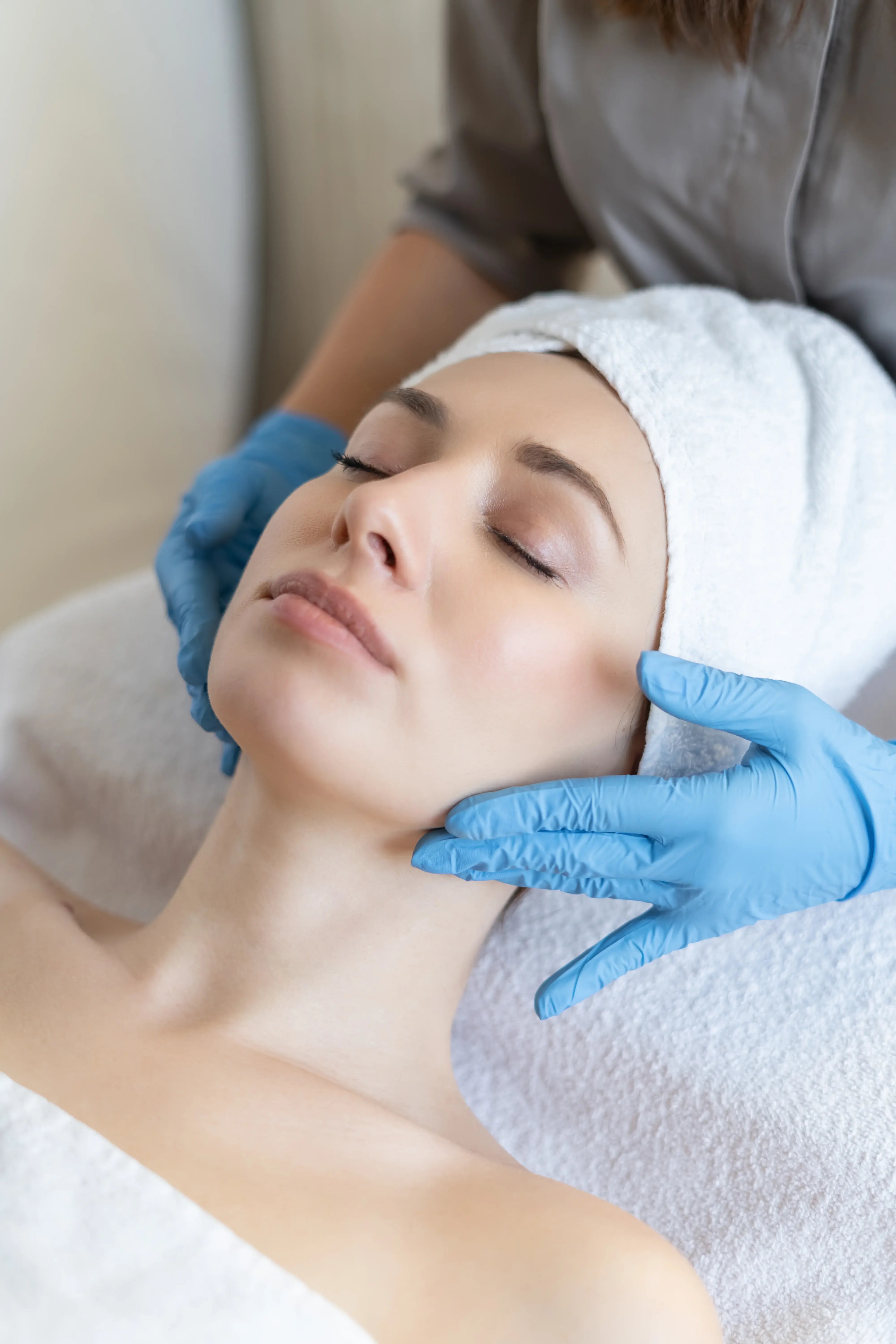
Choosing the right uneven skin tone treatment depends on the type and depth of discoloration present. Professional care allows for precise, progressive correction. We offer a variety of clarifying complexion options, depending on what treatment best suits your needs. Some options are:
Light-Based and Laser Treatments
Photorejuvenation uses controlled light energy to target pigment and redness while supporting overall skin clarity. Treatments such as photorejuvenation are commonly used to improve tone gradually with minimal downtime.
Laser-based options like laser colour correction focus on specific pigment irregularities, breaking down excess melanin while preserving surrounding tissue.
Medical-Grade Chemical Peels
Professional peels accelerate cell turnover and lift superficial pigment. The strength and formulation are selected carefully to improve tone without overstressing the skin.
Microneedling and Skin Remodeling
Microneedling improves tone indirectly by enhancing skin structure and light reflection. It supports overall clarity rather than targeting pigment alone.
Combination Treatment Planning
Layered approaches often produce the best results. Combining light-based treatments with peels or microneedling allows for comprehensive tone correction while supporting skin health.
How to Treat Uneven Skin Tone Safely and Effectively
Understanding how to treat uneven skin tone safely is as important as choosing the right technology. Overcorrection can worsen discoloration.
Personalized Treatment Planning
No two complexions respond the same way. At our clinic, treatment plans are customized based on skin type, tone pattern, and long-term goals, guided by medical oversight.
Skin Type, Sensitivity, and Healing Response
Melanin-rich and sensitive skin requires a measured approach. Professional guidance helps reduce the risk of rebound pigmentation or prolonged redness.
Supporting Skin and Wellness Together
Skin health is influenced by inflammation, hormones, and overall wellness. An integrated approach supports more stable, lasting results over time.
How to Get Rid of Uneven Skin Tone and Maintain Results
Knowing how to get rid of uneven skin tone involves both correction and prevention. Improvement happens gradually as the skin clears damaged pigment and renews itself.
Post-Treatment Care and Sun Protection
Sun protection is essential after any tone-correcting treatment. It helps protect results and prevents new discoloration from forming.
Long-Term Maintenance Strategies
Maintenance treatments and consistent skincare support ongoing clarity. Progress comes from steady care rather than aggressive intervention.
How to Fix Uneven Skin Tone on Face and Body With Professional Care at aspireMD
Learning how to fix uneven skin tone on face and body starts with understanding your skin and choosing professional guidance over trial and error. At aspireMD, advanced technology, medical expertise, and personalized planning come together to support clearer, more even skin.
If you’re ready to explore professional solutions, connect with us through our contact page to book an appointment and take the next step towards balanced, healthy-looking skin.
