


Platelet-rich plasma (PRP) therapy uses your own blood's healing properties to stimulate thinning hair follicles and support natural regrowth. If you are exploring platelet plasma hair loss solutions, this is a medically guided, minimally invasive treatment with a growing body of clinical evidence behind it. At aspireMD, PRP is delivered as part of a personalized hair restoration plan and always within a personalized, evidence-based restoration plan.
What Is Platelet-Rich Plasma and How Does It Relate to Platelet Plasma Hair Loss?
Platelet-rich plasma is a concentration of platelets derived from your own blood — including red cells, white cells, plasma, and platelets — separated and amplified through a centrifuge process before being reintroduced to targeted areas.
Think of platelets as your body's repair crew. Normally dispatched to heal wounds, PRP therapy redirects that crew to struggling hair follicles, delivering growth factors including PDGF, VEGF, and TGF directly to the scalp. In conditions like androgenetic alopecia, hair follicles gradually shrink and weaken over time. These growth factors may help reactivate dormant follicles and extend the hair's natural growth cycle.
The growing interest in platelet plasma hair loss treatment reflects a measurable shift toward regenerative approaches in hair restoration medicine. According to Amecore Research, North America accounted for 43% of the global platelet-rich plasma market in 2024, driven by population changes and advancements in healthcare delivery.
How PRP Injections for Hair Loss Actually Work
PRP injections for hair loss follow a clear, three-step clinical process.
Step 1 — Blood draw:
A small volume of your blood is collected, similar to a routine lab test. No sedation is required.
Step 2 — Centrifuge separation:
The blood is spun at high speed, separating its components, much like separating cream from milk. This isolates a concentrated platelet-rich plasma layer ready for use.
Step 3 — Scalp injection:
The PRP is injected directly into areas of thinning using fine needles. Once delivered, the platelets release growth factors that stimulate dormant follicles, improve blood circulation to the scalp, and may extend the anagen (active growth) phase of the hair cycle, similar to the mechanism of regenerative treatments used in skin tightening therapies.
A standard treatment plan typically involves three sessions spaced four to six weeks apart, followed by maintenance treatments every four to six months depending on individual response. Most clients return to normal daily activities the same day, with no downtime required.

Does PRP Therapy Actually Work for Hair Loss? What the Evidence Says
For individuals in early-to-moderate stages of hair loss, PRP therapy delivers measurable improvements in hair density, when treatment is properly planned and consistently followed. At aspireMD, clients who begin platelet plasma hair loss treatment consistently report improvements in hair density and scalp coverage that feel natural rather than abrupt.
As the dose-response evidence confirms, higher platelet concentrations and greater numbers of sessions generally correlate with better outcomes. The strongest clinical evidence supports PRP therapy for male pattern baldness and female androgenetic alopecia. Emerging research suggests benefit for alopecia areata, though the evidence base is still developing.
A useful way to think about platelet-rich plasma treatment for hair loss:
PRP works like watering a struggling plant. Where follicles are still present but weakened, growth factors can help revive them. In areas where follicles are completely absent, PRP has little to offer, much like trying to grow a plant in concrete. Starting treatment earlier is always clinically advantageous.
PRP is not a cure. It is a treatment that can slow progression and support measurable regrowth when applied correctly.
|
Condition |
Evidence Level |
Best Candidates |
|
Androgenetic alopecia (male) |
Strong |
Early-to-moderate thinning, active follicles present |
|
Androgenetic alopecia (female) |
Strong |
Diffuse thinning, early intervention |
|
Alopecia areata |
Emerging |
Patchy loss, used alongside other therapies |
|
Advanced baldness (no follicles) |
Limited |
Not typically indicated |
Risks, Side Effects, and Who Should Avoid PRP Injections
Because PRP uses your own blood, the risk of allergic reaction is extremely low. This autologous nature is one of its key safety advantages over many other treatments.
Common side effects are minor and temporary: mild scalp tenderness, localized swelling, and redness at injection sites that typically resolve within 24 to 48 hours. Occasional bruising may occur. Rare risks include infection, which is effectively minimized through proper sterile technique, and nerve irritation, which is uncommon when treatment is performed by experienced clinicians.
Some individuals should avoid platelet-rich plasma injections. These include people who are taking blood thinners, have blood disorders such as thrombocytopenia or platelet dysfunction, present with an active scalp infection, or have certain active cancers. A thorough medical history and medication review before treatment allows our team to assess suitability accurately.
When performed by qualified providers, PRP therapy is considered a safe and well-tolerated option for appropriate candidates, a standard aspireMD upholds across every client interaction.
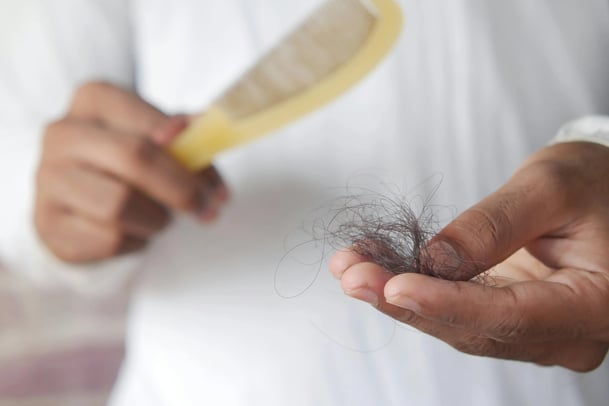
Maximizing Your Results: Combining PRP With a Personalized Hair Restoration Plan
For patients whose hair loss is accompanied by volume changes in the scalp or facial area, complementary options to restore skin may be discussed as part of a broader plan.
Nutritional optimization for hair health adds another layer of support, addressing deficiencies that may be accelerating loss.
Timing is equally important. Beginning PRP injections earlier in the hair loss journey — when follicles are still viable — consistently produces better outcomes than starting after significant loss has occurred.
When addressed holistically, hair restoration becomes one component of a broader approach to improve overall appearance with clinical precision.
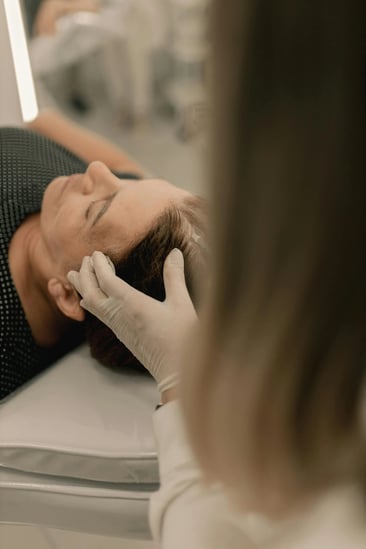
Start Your Personalized PRP Hair Restoration Plan Today
Platelet plasma hair loss treatment offers a scientifically grounded, medically guided path to restoring hair density and confidence, particularly when started early and delivered as part of a personalized plan. The evidence supports it, and the approach at aspireMD, located in St. Catharines, ensures it is applied with clinical precision tailored to each individual.
If you are in the early or moderate stages of hair loss and want to understand whether PRP is appropriate for you, our team offers personalized assessments guided by clinical evidence not generic protocols. Explore our hair restoration program to learn how a tailored plan is built around your specific pattern, goals, and timeline.
