


Skin changes rarely happen overnight. A spot that once blended in can start catching your eye. Texture shifts. Clothing rubs. Confidence takes a quiet hit. When people start searching mole removal, they are not looking for trends or shortcuts. They want clarity, safety, and results that protect both appearance and skin health.
Professional mole removal focuses on more than appearance. It accounts for skin structure, healing behavior, and long-term outcomes. Done correctly, it supports healthy skin and minimizes avoidable risks. Done poorly, it can leave lasting damage.
At aspireMD in St. Catharines, we approach mole removal with medical oversight, advanced technology, and aesthetic precision guided by Dr. Jane Burk. If you are considering treatment and want expert care you can trust, book a consultation to speak with our team.
Mole Removal Explained: What Moles Are and Why They Appear
Understanding what a mole actually is helps explain why professional care matters. A mole forms when pigment-producing cells cluster together in the skin. Some sit on the surface. Others extend deeper. Their structure determines how they should be treated and how the skin will heal afterward.
This is why mole removal is never just about what you see. It is about what is happening beneath the surface and how the skin responds when that tissue is altered.
Common Types of Skin Moles
Moles vary widely in color, size, texture, and depth. Some are flat and evenly pigmented. Others are raised or textured. Some appear early in life. Others develop gradually over time. These differences influence which mole removal approach is appropriate and which should be avoided.
How Moles Change Over Time
Sun exposure, hormones, and natural aging can all influence how moles evolve. A mole may darken slightly, become more raised, or feel irritated in certain areas. Not every change is a problem, but changes should always be assessed before deciding on mole removal.
When a Mole Becomes a Concern
Changes in shape, color variation, irregular borders, or new sensations deserve attention. Professional evaluation determines if mole removal is cosmetic, precautionary, or requires referral for further assessment. This step protects both appearance and health.
Mole Removal and Safety: Can Moles Be Removed Without Risk?
All skin procedures carry some degree of risk. The difference lies in how well those risks are managed. Professional mole removal dramatically reduces complications through assessment, sterile technique, and proper aftercare planning.
Safety comes from informed decision-making, not speed.
Benign Moles vs Medically Concerning Moles
Many moles are benign and suitable for cosmetic mole removal. Others are not appropriate for treatment in an aesthetic setting. Distinguishing between the two requires trained clinical judgment, not guesswork.
Why Professional Evaluation Comes First
Before any mole removal, providers assess size, depth, color consistency, location, and change history. This ensures the treatment plan matches the mole, not just the concern. At aspireMD, evaluation is always the first step.
When Referral or Further Testing Is Necessary
Responsible care includes knowing when not to treat. Some moles require medical referral rather than cosmetic mole removal. This commitment to safety is a cornerstone of ethical aesthetic practice.

Why Professional Mole Removal Is Safer Than Removing Of Moles at Home
At-home kits and internet remedies promise convenience. They ignore biology. DIY approaches bypass assessment, sterility, and depth control. That combination creates unnecessary risk.
Professional mole removal protects the skin in ways home methods simply cannot.
Risks of DIY and Over-the-Counter Products
Unregulated products can cause chemical burns, infection, and unpredictable scarring. Many damage surrounding skin while failing to fully address the mole itself. These outcomes complicate future professional care.
Infection, Incomplete Removal, and Skin Damage
Removing only the surface of a mole can leave pigment behind, leading to regrowth or discoloration. Infection risk rises quickly when sterile technique is absent. Skin trauma often results in texture changes that last far longer than the original concern.
How At-Home Removal Can Mask Serious Skin Issues
Destroying a mole without evaluation eliminates the opportunity to identify concerning features. Safe mole removal always begins with understanding what should not be treated.
Professional Mole Removal Methods and When Each Is Used
Professional mole removal is not one-size-fits-all. Method selection depends on depth, location, and cosmetic goals. The right approach minimizes trauma and supports predictable healing.
Surgical Excision and When It Is Required
Deeper or structurally complex moles may require complete excision. This method ensures full removal when appropriate and allows controlled closure to support healing.
Laser Mole Removal for Select Cosmetic Cases
Laser technology targets pigment with precision. This approach is only appropriate for specific moles after professional assessment. Experience matters when using advanced laser systems, especially to protect surrounding tissue. Clinics like aspireMD integrate laser expertise across multiple skin concerns, which supports safe outcomes.

Mole Removal On Face: Why Precision and Experience Matter
Facial skin demands extra care. Visibility, sensitivity, and healing behavior all raise the stakes. Facial mole removal requires precision and an aesthetic eye.
Facial Skin Anatomy and Healing Differences
Facial skin has a rich blood supply and thinner layers in certain areas. These factors influence swelling, healing speed, and scar behavior after mole removal.
Cosmetic Balance and Natural-Looking Results
Removing a mole should not draw attention to the treatment itself. Proper technique preserves natural contours and symmetry. This is where artistry and medical training intersect.
Minimizing Texture Changes and Pigment Irregularities
Poorly performed mole removal can leave uneven texture or pigment changes. Professional planning minimizes these risks, especially on high-visibility areas like the face.
Understanding Scars From Removing Moles
Scarring is one of the most common concerns surrounding mole removal. The goal is not zero risk, but controlled, predictable healing.
Factors That Influence Scar Formation
Location, depth, skin type, and aftercare all play a role. No two people heal the same way. Understanding these variables sets realistic expectations.
How Professional Technique Reduces Scarring Risk
Controlled depth, precise margins, and appropriate method selection all reduce scar risk. Professional mole removal prioritizes long-term skin quality, not just immediate results.
Supporting Healthy Healing and Skin Recovery
Aftercare guidance supports optimal healing. Sun protection and quality skincare can further support recovery. Many clients complement treatment with medical grade skincare to support skin health.
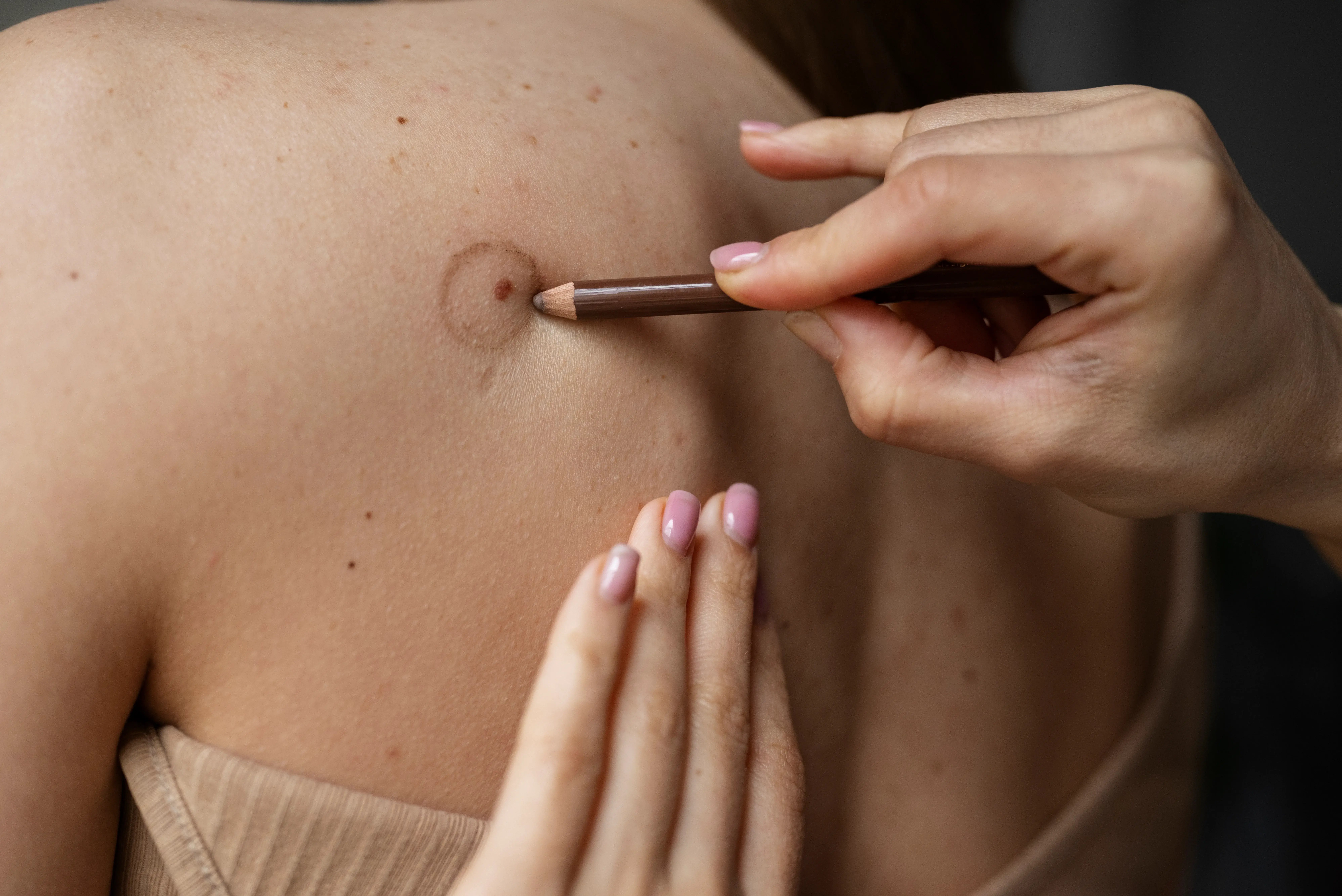
What to Expect Before, During, and After Professional Mole Removal
Clear expectations reduce anxiety and improve satisfaction. Professional mole removal follows a structured, transparent process.
The Consultation and Skin Assessment Process
Consultations focus on goals, assessment, and education. This ensures the treatment plan aligns with both safety and aesthetic priorities. You can learn more about what to expect on your first visit.
What the Procedure Experience Is Like
Treatments are performed efficiently with comfort in mind. Most mole removal procedures are brief and well tolerated when performed professionally.
Healing Milestones and Follow-Up Care
Healing progresses gradually. Follow-up ensures the skin responds as expected and supports the best possible outcome.
Who Should Perform Mole Removal and Why Medical Oversight Matters
Not all clinics are equal. Mole removal requires medical judgment, not just technical ability.
Training, Experience, and Clinical Judgment
Medical oversight ensures proper assessment, method selection, and complication management.
Knowing When Not to Treat
Ethical care includes restraint. Declining treatment when appropriate protects clients and builds trust.
Safety Standards in a Medical Aesthetic Setting
Sterile environments, established protocols, and accountability distinguish professional mole removal from informal alternatives. Learn more about the breadth of care available through our solutions.
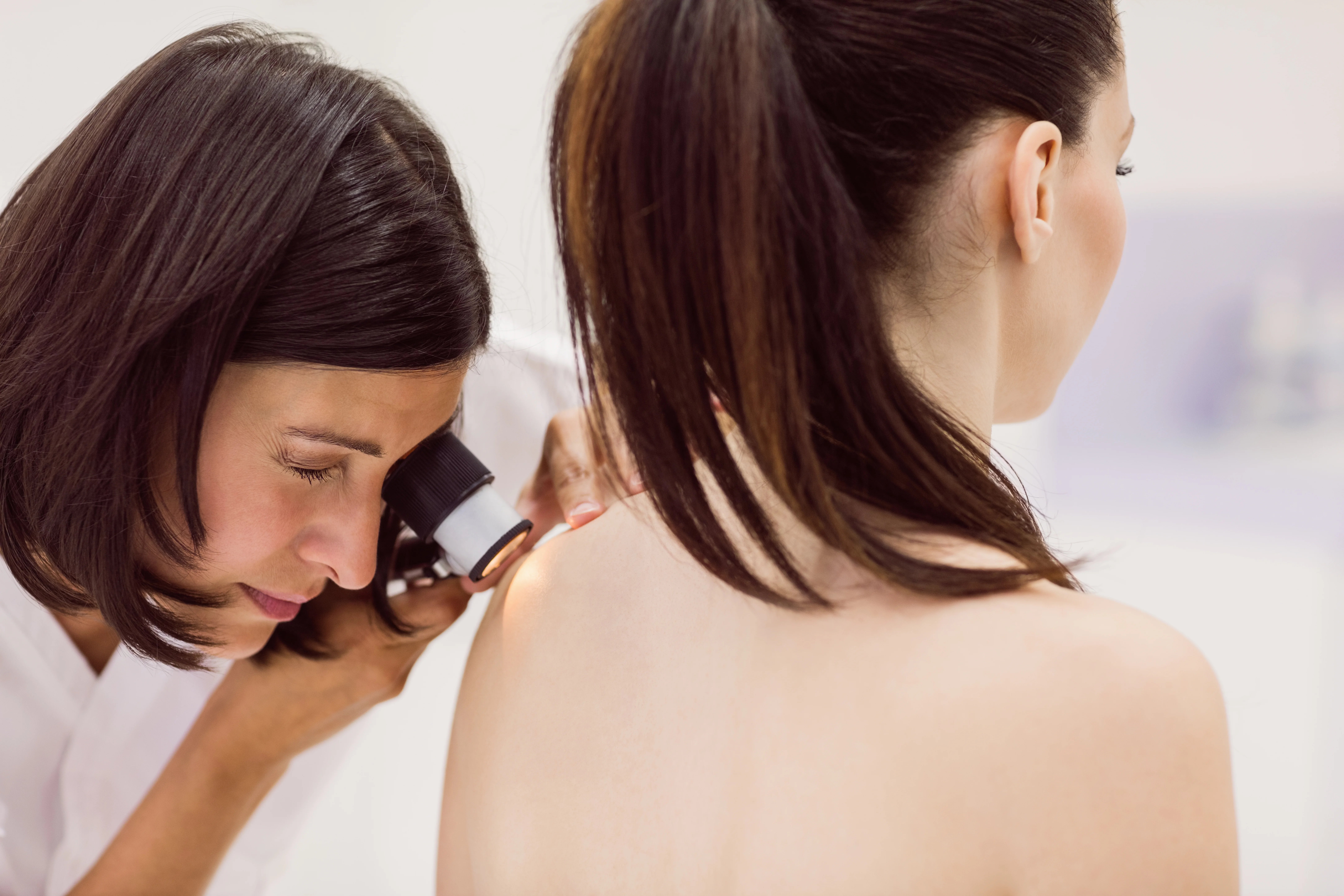
Remove Skin Moles With Confidence at aspireMD
Safe mole removal balances science, experience, and aesthetic judgment. Based in St. Catharines, care at aspireMD is delivered through personalized treatment planning that prioritizes safety and skin health.
If you are considering mole removal and want expert guidance, connect with our team today. Get started by contacting us to take the next step with confidence.
