


Pigment tells a story. Sun exposure, inflammation, hormones, and time all leave their mark — often in the form of dark spots on the face. These patches of discoloration are one of the most common aesthetic concerns for both women and men. They can make skin look uneven, tired, or older than it feels. Quick fixes rarely solve the problem. True correction requires understanding what is happening beneath the surface and choosing the right professional approach.
At aspireMD, clients in St. Catharines receive medically guided aesthetic treatments designed to address pigmentation safely and strategically under the leadership of Dr. Jane. If you’re ready for a personalized plan, you can book a consultation and begin with a comprehensive assessment tailored to your skin.
What Are Dark Spots On Face And Why Do They Develop?
To understand what dark spots are on your face, you need to understand melanin. Melanin is the pigment responsible for skin tone. It is produced by specialized cells called melanocytes. When those cells are stimulated by UV radiation, inflammation, or hormonal shifts, they increase pigment production. That pigment does not always distribute evenly. Instead, it clusters. Over time, those clusters appear as visible brown patches on the surface of the skin.
The Science Of Hyperpigmentation, Melanin Production, And Pigment Depth
Hyperpigmentation occurs when melanocytes overproduce melanin in response to a trigger. Ultraviolet light is one of the strongest triggers. Inflammation is another. Hormones can amplify the response. Pigment depth matters. Epidermal pigmentation sits in the upper layers of skin and often responds well to light-based therapy or chemical resurfacing. Dermal pigmentation sits deeper and can require a more strategic combination of treatments. Accurate identification of depth is critical before beginning any professional correction plan.
Common Types Of Dark Spots On Face: Sunspots, PIH, And Melasma
Not all dark spots are created equal. Sunspots, also known as solar lentigines, are flat brown lesions caused by cumulative UV exposure. Post-inflammatory hyperpigmentation develops after acne, irritation, or skin trauma. Melasma appears as patchy, often symmetrical pigmentation triggered by hormonal changes combined with sun exposure. Each behaves differently. Each responds differently to treatment.
How Hormones, UV Exposure, And Inflammation Trigger Pigment Changes
UV radiation stimulates melanocytes directly. Hormonal fluctuations increase melanocyte sensitivity. Inflammation from acne or overly aggressive skincare activates protective pigment production. The skin is trying to defend itself. The visible result is uneven tone.
How To Treat Dark Spots With Professional Treatment
An effective treatment for dark spots on the face begins with diagnosis. Surface-level solutions often fail because they do not address pigment depth or trigger factors. Professional care evaluates type, depth, and skin history before recommending therapy.
Why Professional Diagnosis And Customized Planning Matter
A personalized plan prevents overtreatment and reduces the risk of worsening pigmentation. Certain melasma-prone skin types require careful calibration with light-based devices. Sunspots often respond dramatically to targeted energy treatments. At aspireMD, consultations include a full skin analysis and review of previous treatments. You can learn what to expect during your first visit to understand how your treatment plan will be built.
Why Over-The-Counter Cream For Dark Spots Often Falls Short
Drugstore products frequently contain lower concentrations of active ingredients. Penetration depth is limited, and stability varies. Medical-grade skincare offers higher potency, optimized delivery systems, and professional oversight. That difference matters when addressing stubborn pigmentation.
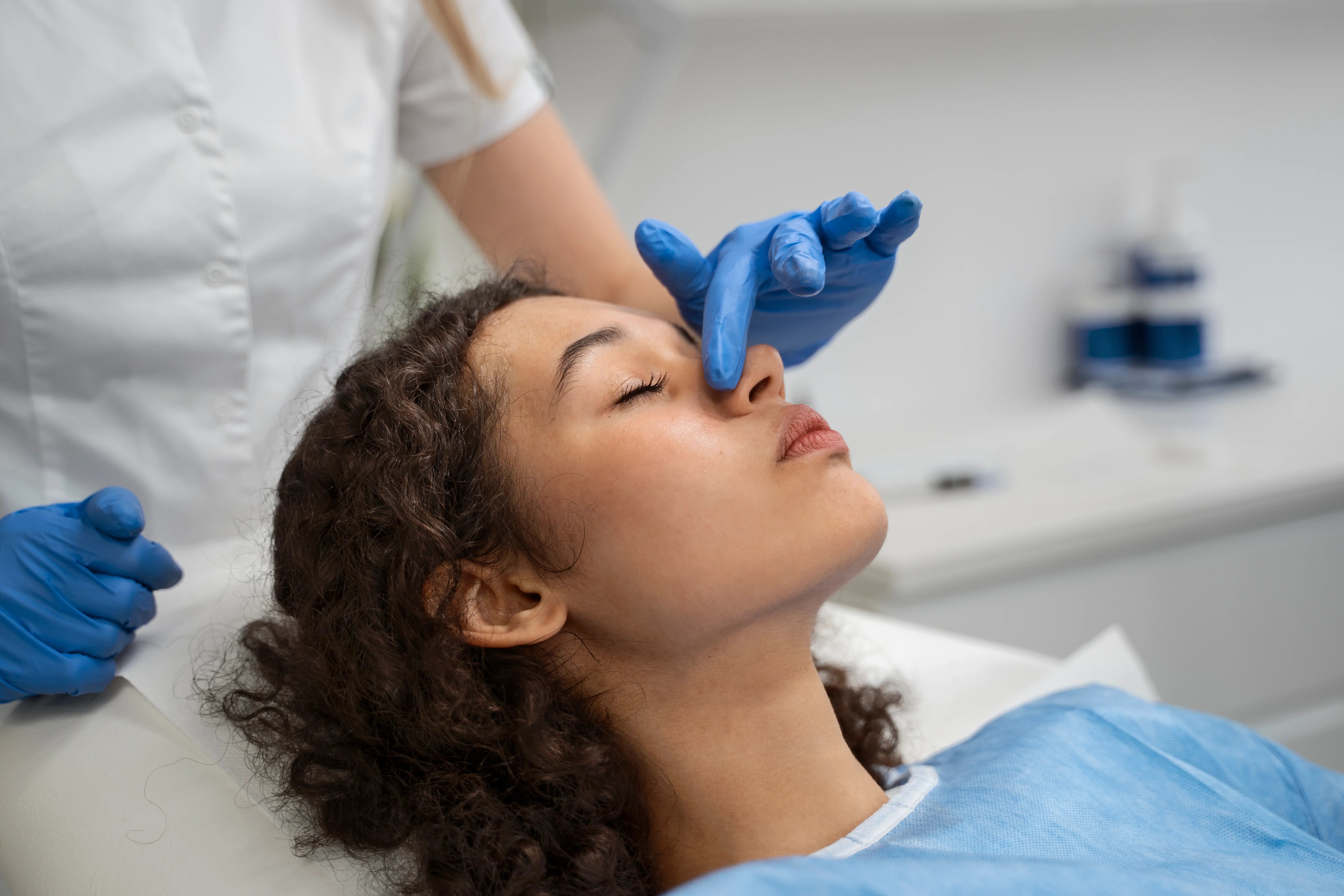
Laser Treatment For Dark Spot Using Advanced BBL Technology
Laser treatment for dark spots is one of the most effective professional options for sun-induced pigmentation. BroadBand Light technology delivers pulses of light that selectively target melanin within the skin.
How Laser Treatment For Dark Spots Works And What To Expect
Light energy is absorbed by pigment. That energy converts to heat, fragmenting excess melanin into smaller particles. The body then naturally clears those fragments through cellular processes. Spots often darken temporarily before flaking away over several days. Mild redness may occur. Proper sun protection during healing is essential.
Who Is The Ideal Candidate For Laser Treatment For Dark Spot Removal
Individuals with clearly defined sunspots and surface pigmentation are excellent candidates for laser treatment for dark spot removal. Those with melasma may require modified protocols or combination therapy. An in-person consultation determines suitability.
Chemical Peels As A Treatment For Dark Spots And Surface Pigmentation
Chemical peels offer controlled exfoliation to remove pigmented surface layers and stimulate cellular turnover. They are especially effective for superficial discoloration and post-inflammatory marks.
How Medical-Grade Peels Improve Pigmentation And Texture
Acids such as glycolic acid and TCA loosen bonds between dead skin cells. Pigmented cells shed. New, fresher skin emerges. Beyond pigment reduction, peels improve texture and support collagen renewal. The result is smoother, more even-toned skin.
When Peels Are Combined With Other Professional Therapies
Peels can enhance the results of laser treatment for dark spots by refining surface texture between sessions. Combination therapy often delivers stronger, longer-lasting results than a single modality. Strategic layering is key.

Medical-Grade Skincare And Cream For Dark Spots As Long-Term Support
Professional procedures correct visible pigment. Maintenance prevents recurrence.
Key Ingredients That Regulate Pigment And Maintain Results
Retinoids increase cellular turnover. Vitamin C reduces oxidative stress and supports brightening. Tranexamic acid helps regulate melanin pathways. Short-term pigment suppressors may also be used under supervision. These ingredients work best when professionally selected and monitored.
Why Medical-Grade Formulations Outperform Drugstore Options
Medical-grade products contain optimized concentrations and stable formulations. Delivery systems allow deeper penetration into targeted layers. You can explore curated options through aspireMD’s medical grade skincare collection for ongoing support.
Preventing Dark Spots On Face From Returning After Professional Treatment
Correction without prevention invites recurrence.
Sun Protection, Lifestyle Support, And Ongoing Monitoring
Broad-spectrum SPF protects against UVA and UVB radiation. Daily application reduces pigment reactivation. Avoid excessive heat exposure and tanning devices. Regular follow-up ensures skin remains stable and treatment plans evolve with changing needs.
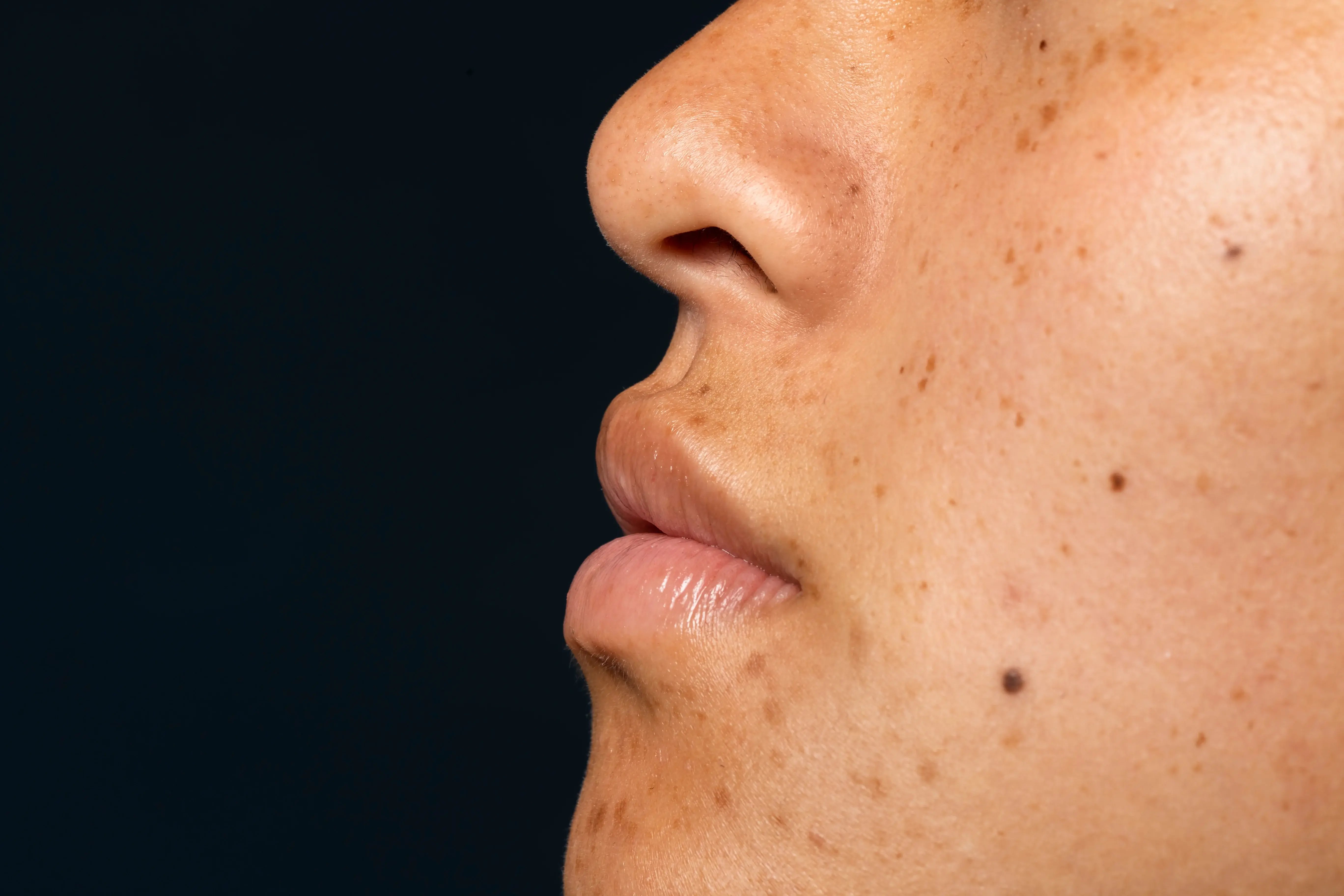
Treat Dark Spots On Face With Personalized Care At aspireMD
Clear skin begins with accurate diagnosis and strategic planning. The best dark spot treatment depends on your pigment type, depth, and lifestyle factors. At aspireMD in St. Catharines, advanced technology and medical expertise come together to create customized solutions that restore even tone safely.
Ready to address dark spots on face with professional care? Explore options through our solutions or connect directly via our contact page.
